
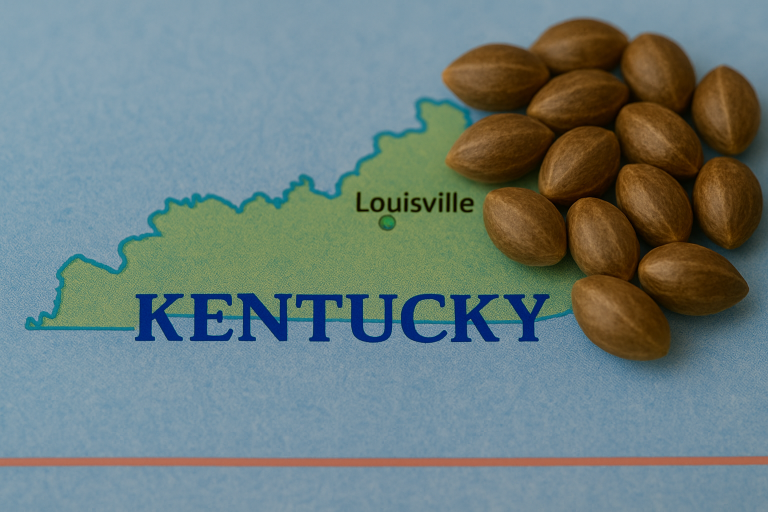
If you’re looking for where to buy cannabis seeds in Kentucky, it’s crucial to understand the state’s evolving legal regulations regarding cannabis. While recreational cannabis remains illegal, Kentucky’s medical cannabis program officially launched on January 1, 2025. This means that while acquiring ungerminated seeds is generally permissible as a collector’s item, home cultivation for personal use remains entirely illegal, even for medical patients. However, you can still find thousands of verified and affordable seed strains via reputable online seed banks. This comprehensive guide will help you navigate the process of acquiring cannabis seeds in Kentucky while staying strictly within legal boundaries and understanding the current landscape.
The Rules of Buying Marijuana Seeds in Kentucky
When considering where to buy cannabis seeds in Kentucky, it is paramount to understand the state’s stringent legal framework surrounding cannabis. As of January 1, 2025, Kentucky has a legal medical cannabis program under Senate Bill 47 (SB 47), signed into law on March 31, 2023. This program allows qualified patients with specific debilitating medical conditions to legally purchase and possess medical cannabis products from licensed dispensaries within the state. However, recreational cannabis use, possession, and cultivation remain strictly illegal for the general public and carry severe penalties, including significant fines and potential jail time.
Crucially, Kentucky’s medical cannabis program does not permit home cultivation of cannabis plants by patients or caregivers. All medical cannabis must be obtained through licensed dispensaries. The law also places limits on the forms of medical cannabis (smoking raw cannabis is banned; vaporization, oils, edibles, tinctures, and similar forms are allowed) and sets THC caps for products (e.g., 35% for raw cannabis, 70% for concentrates, 10mg per serving for edibles). Patients can possess a 30-day supply at home and a 10-day supply on their person, with specific gram/milligram limits.
Despite these restrictions on cultivation and possession of the cannabis plant itself, it is generally considered legal to buy cannabis seeds in Kentucky. This legal distinction stems from the fact that ungerminated cannabis seeds are widely regarded under federal and state law as collectible novelty items or adult souvenirs, rather than actual cannabis plants or controlled substances. This crucial legal loophole allows enthusiasts, hobbyists, and collectors in Kentucky to acquire seeds without direct legal repercussions, provided they do not germinate them or attempt to cultivate them within the state’s current legal framework. For all individuals, you must be at least 21 years old to purchase cannabis seeds. Selling or giving seeds or any cannabis products to minors is strictly prohibited and carries severe penalties. While ungerminated seeds can be purchased, the intent to germinate and cultivate them for personal use is illegal for all residents. Therefore, a thorough understanding of your legal standing and strict adherence to these laws before you buy cannabis seeds in Kentucky is the first and most critical step to avoid legal issues.
 |  |  |
|---|
Where to Buy Cannabis Seeds in Kentucky
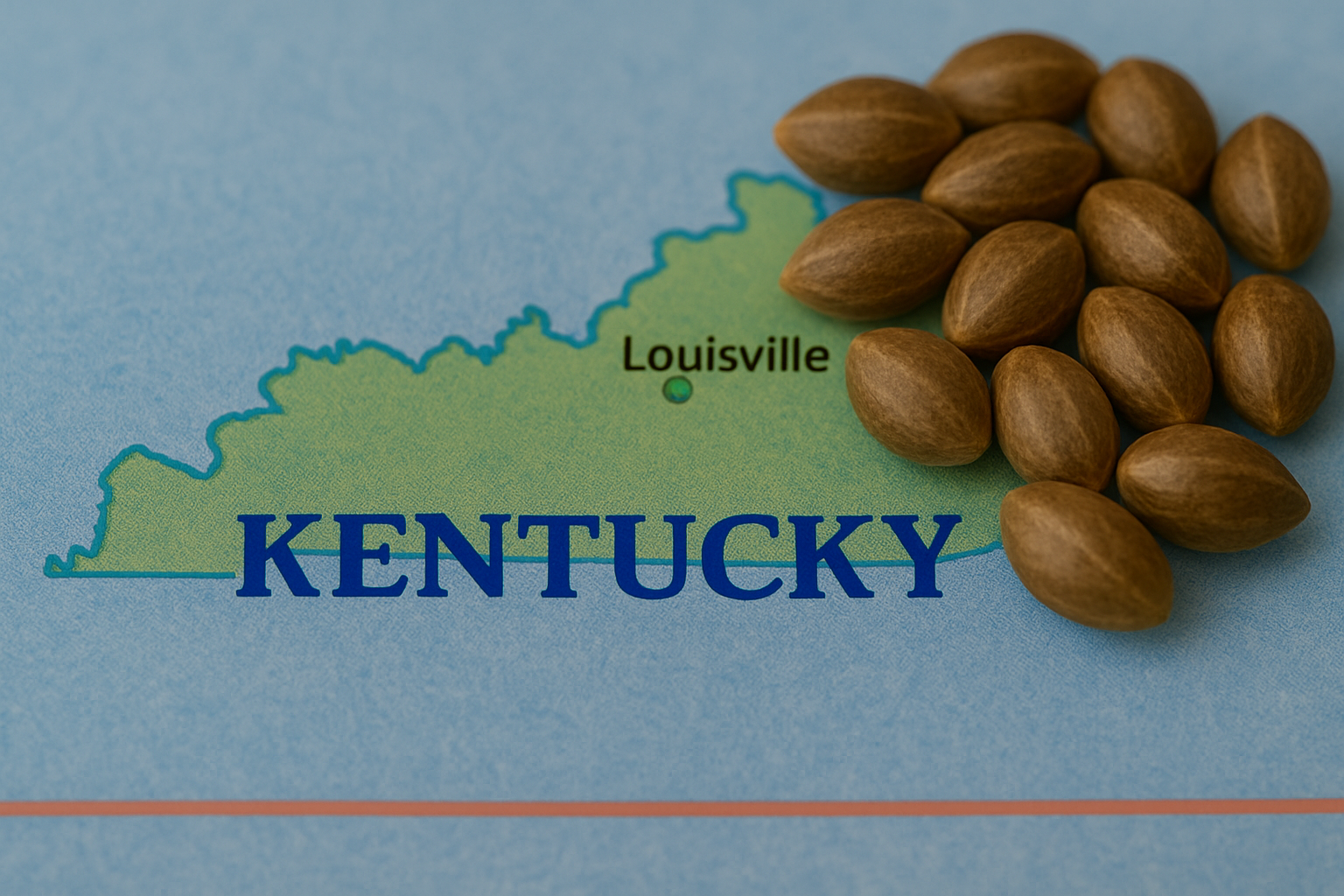
In Kentucky, cannabis seeds cannot be purchased from local dispensaries or retail shops for recreational use. While medical cannabis dispensaries are now operational, they are primarily for dispensing medical cannabis products, not ungerminated seeds for cultivation. The most convenient, diverse, and advisable method to acquire cannabis seeds in Kentucky is exclusively through reputable online seed banks. Online purchasing offers numerous significant advantages that local options simply cannot match. These benefits include access to a significantly wider variety of strains, often including rare and exotic genetics from breeders worldwide. Online prices are typically more competitive due to lower overheads, and perhaps most importantly, online seed banks prioritize discreet packaging to ensure privacy and anonymous delivery directly to your door. Many online seed banks also frequently provide detailed genetic information, comprehensive growing guides (for informational purposes, should laws change), and extensive customer reviews, which can be invaluable for both novice and experienced collectors. Relying on trusted online sources ensures you receive high-quality, viable seeds safely and legally, without having to navigate local legal complexities that prohibit in-person sales. Always ensure the online vendor has a strong reputation for customer service, product quality, and discreet shipping practices.
Choosing Your Cannabis Seeds in Kentucky
When buying cannabis seeds, there are several things to consider to ensure that you get the best quality seeds and that they are suitable for your collection or potential future cultivation goals in Kentucky. Here are some key tips to help you make an informed decision, especially given Kentucky’s evolving legal landscape and diverse climate:
Choose a Reputable Online Seed Bank
It’s essential to buy seeds from a reputable online seed bank that has a proven track record of delivering high-quality, viable seeds. Given the complete absence of local dispensaries or seed banks selling cannabis seeds for cultivation in Kentucky, online sources are your only reliable and legal option for acquisition. Some of the best online seed banks that discreetly ship to Kentucky include Seed Supreme, Homegrown Cannabis Co., and Crop King Seeds. Always check for customer reviews, clear shipping policies, and strong germination guarantees to ensure a reliable purchase and product quality. These banks prioritize discretion and legal compliance for their customers, making them the most secure way to acquire cannabis seeds in Kentucky.
Consider the Strain for Kentucky’s Climate (for future reference)
Kentucky experiences four distinct seasons, with hot, humid summers and cold, snowy winters. This diverse climate is a crucial factor to consider if, hypothetically, cultivation were to become legal in the future. Therefore, if you are collecting seeds with a future cultivation possibility in mind, it’s essential to choose a strain that is hardy, resilient, and can adapt to fluctuating temperatures and humidity levels. For potential outdoor grows, consider strains with good mold and pest resistance, and those that can finish flowering before the first heavy frost. Autoflowering strains are often recommended for their quick growth cycles, which can be beneficial in climates with limited warm periods, potentially allowing for multiple harvests in a single season. Indica-dominant strains, known for their robustness and shorter stature, might also be more suitable for both indoor and discreet outdoor grows, should the legal landscape change. Researching strains known for their resilience in temperate climates can be a good starting point for your collection of marijuana seeds in Kentucky.
Understand Space Requirements and Growth Patterns (for future reference)
Even if cultivation becomes legal in the future, space can be a limiting factor for many potential growers in Kentucky. Indica strains generally consume less space than Sativas, which can be traced back to their origins in harsh, mountainous regions, leading to smaller, quicker, and hardier plants. Sativa strains, originating from equatorial regions, tend to grow larger and require more time to mature. Indicas are therefore often more common for indoor grows, while Sativas are better suited for outdoor grows where ample vertical and horizontal space is available. Carefully consider your potential growing environment when selecting your cannabis seeds in Kentucky to ensure they would fit your space and management capabilities, should cultivation ever be permitted. This foresight can save time and resources in the long run.
Consult Breeders or Seed Banks for Best Practices (for informational purposes)
To produce the best yield, should cultivation become legal, future growers should consult breeders or seed banks about the best practices for growing a specific strain. This includes understanding optimal nutrient requirements, average grow time from seed to harvest, ideal light cycles for photoperiod strains, and effective pest and disease management strategies. Reputable online seed banks often provide extensive grow guides, educational resources, and customer support that can be invaluable for both novice and experienced cultivators. Leveraging these resources can significantly improve your chances of a successful harvest, should you ever be able to legally cultivate your marijuana seeds in Kentucky.
Personal Preference and Future Goals
Above all, buyers should purchase cannabis seeds in Kentucky based on their own personal preference. This includes considering the desired effects (e.g., relaxing, energizing, pain relief), flavors, and aromas if you envision future consumption. Whether you are collecting seeds for future use, research, or in anticipation of future legal changes, your personal preference should guide your selection, ensuring that your chosen strains align with your interests and potential therapeutic or recreational goals. Explore different types like feminized seeds, autoflowering seeds, and high-CBD strains to find what best suits your needs and collection objectives. The diversity available online ensures there’s a strain for every preference, even in a state with evolving laws like Kentucky.
🛒 Buy Top Cannabis Seeds Today
Disclaimer: This guide is for informational purposes only and does not constitute legal advice. Always consult with legal professionals and check current state and local regulations before purchasing cannabis seeds. While Kentucky has legalized medical cannabis as of January 1, 2025, recreational cannabis remains illegal, and home cultivation is not permitted. The possession of ungerminated seeds is generally legal as novelty items, but growing them is not. Laws are subject to change, and it is your responsibility to stay informed and comply with all state and local laws regarding cannabis possession, cultivation, and use.
Table of Contents