
Last Updated on April, 2024 by Rob Wilson
Diving into the world of cannabis, you’ve likely heard whispers about the visually stunning and potent purple weed strains. But what sets these eye-catching varieties apart from their green counterparts? It’s not just the color that’s causing a buzz; it’s the unique blend of effects, flavors, and aromas that make purple strains a must-try for any cannabis enthusiast.
From the legendary Granddaddy Purple to the exotic Purple Haze, each strain offers a distinct experience that caters to different preferences and needs. Whether you’re seeking relaxation, creativity, or simply want to enjoy a visually appealing bud, there’s a purple strain that fits the bill. Let’s delve into the world of purple cannabis strains, exploring their characteristics, benefits, and why they might just become your new favorite.
Key Takeaways
- Unique Characteristics of Purple Weed Strains: Purple strains, enriched with anthocyanin, offer more than vivid hues; their distinct genetic makeup delivers a unique blend of flavors, aromas, and effects, particularly potent for relaxation and stress relief.
- Genetic Roots and Aesthetic Appeal: Originating from landrace strains adapted to cooler climates, purple strains like Granddaddy Purple and Purple Haze combine striking visual appeal with aromatic complexity, elevating the cannabis experience.
- Therapeutic and Recreational Benefits: High THC content in purple strains makes them effective for pain relief, stress, and insomnia, with their diverse terpene profiles offering a range of therapeutic benefits. The aesthetic and sensory appeal enhances both medicinal and recreational use.
- Cultivation Insights: While moderately challenging to grow, purple
Overview of the Purple Weed Strain
Origin and Genetics
When you delve into the world of cannabis, the origin and genetics of the purple weed strain stand out as a fascinating topic. These purple marvels have garnered attention not only for their striking appearance but also for their unique genetic makeup. Originating from a natural mutation, the purple hue in these strains is the result of a pigment called anthocyanin, which becomes more prominent under cooler growing conditions. The genetics of purple strains often trace back to landrace strains from regions with colder climates, which naturally evolved to produce this colorful pigment as a form of protection. Popular strains like Granddaddy Purple, Purple Kush, and Purple Haze have set the standard, each with its lineage that combines the robust genetics of their predecessors with the distinctive purple coloring.
Appearance and Aroma
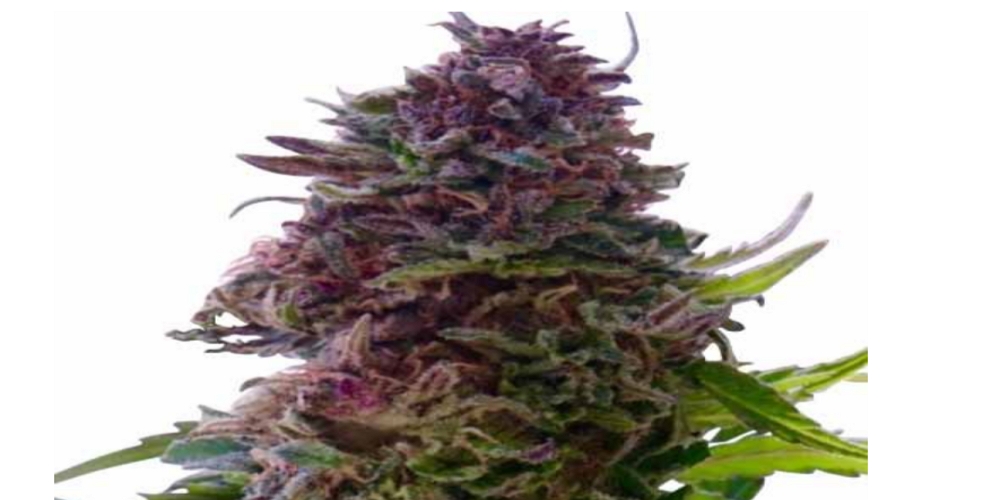
The appearance and aroma of purple weed strains are truly a feast for the senses. Visually, these strains can range from subtle lavender hues to deep, rich purples that are almost black in color. The presence of anthocyanin pigments, intensified by cooler temperatures during growth, gives these strains their signature color. It’s not just the color that captivates users but also the complex aroma profiles these strains exhibit. You can expect a wide array of scents from earthy and woody to sweet and fruity, depending on the specific strain and its terpene profile. For instance, Granddaddy Purple is renowned for its sweet, berry-like aroma, while Purple Haze offers a sharper, more earthy scent with hints of spicy berries. This fascinating blend of visual appeal and aromatic complexity makes purple weed strains a compelling choice for cannabis connoisseurs and casual users alike.
Pros of the Purple Weed Strain
When considering the purple weed strain, a notable advantage is its potent effects, often delivering a profound relaxation that can help alleviate stress and anxiety. These strains typically boast a high THC content, making them an excellent choice for both recreational and medicinal users seeking potent pain relief or a deep, restful sleep. Their unique genetic makeup not only contributes to their distinctive color but also ensures a complex cannabinoid profile rich in beneficial compounds.
Another significant benefit is their sensory appeal. Purple weed strains offer an exceptionally aromatic experience, ranging from sweet and fruity to rich and earthy, which can enhance your smoking or vaping experience. The visual appeal is unmatched, with vibrant purple hues that make these strains a pleasure to look at, whether you’re a casual user or a connoisseur. This aesthetic quality adds a level of fascination and excitement to the cultivation and consumption process, setting purple weed strains apart from their green counterparts.
Moreover, purple strains are known for their robustness and resilience. Thanks to their genetics, often traced back to landrace strains from colder climates, they are remarkably adaptable to cooler environments, making them a versatile option for growers in various regions. Whether you’re cultivating them indoors or outdoors, these strains tend to be forgiving and manageable, which is particularly appealing for novice growers.
Lastly, the diverse terpene profiles of purple strains mean they offer a wide range of therapeutic benefits, from anti-inflammatory properties to neuroprotective effects. This makes them an appealing option for users looking for more than just recreational use, offering a holistic approach to wellness and health.
Cons of the Purple Weed Strain
While purple weed strains definitely have their unique appeal and benefits, they also come with a few drawbacks that you should be aware of before indulging. First and foremost, their striking appearance and rarity can often translate to a higher price tag on the market. This can make them less accessible for everyday use, especially if you’re operating within a tight budget. Moreover, not all purple strains are created equal; some might offer more style than substance, boasting a vibrant color with less potent effects compared to their green counterparts.
Another consideration is the care and conditions required to achieve that coveted purple hue. Purple strains might necessitate specific growing conditions, such as cooler nighttime temperatures, to develop their color, which can be a challenge for less experienced growers. This could result in a less consistent product if not grown under optimal conditions, affecting both yield and quality.
Lastly, while the visual appeal is high, some users report that certain purple strains may have a milder flavor profile. If you’re someone who values the taste and aroma of cannabis as much as its effects, this might be a disappointment. The complexity of terpenes, which contribute to the strain’s therapeutic benefits and overall experience, can vary widely, meaning that not all purple strains will meet your expectations in terms of flavor and aroma.
Remember, every strain has its pros and cons, and what may be a drawback to some could be insignificant to others. It’s all about finding the right balance that works for you.
Features
Continuing from the exploration of the allure and complexity of purple weed strains, let’s dive deeper into their distinctive features, moving beyond their stunning visual appeal and robust resilience. Purple strains not only captivate with their vibrant hues but also offer unique attributes that contribute to their popularity and therapeutic potential in the cannabis community. The following sections will detail crucial aspects like THC and CBD content and their flavor profiles, providing you with a comprehensive understanding to guide your choices.
THC and CBD Content
When considering purple weed strains, the THC and CBD content play pivotal roles in their effects and usability. THC (tetrahydrocannabinol) is the primary psychoactive component in cannabis, responsible for the “high” sensation, while CBD (cannabidiol) is known for its non-psychoactive, therapeutic benefits, often sought after for pain relief and its calming effects.
Purple strains are noted for their high THC content, with some varieties, such as Granddaddy Purple, boasting levels that can reach up to 23%. This significant potency makes them particularly effective for those seeking relief from pain, insomnia, stress, and anxiety. The high THC content contributes to the deep relaxation and euphoric effects that users report, making them a favorite among recreational and medicinal users alike.
However, it’s important to note that the CBD content in purple strains tends to be lower, which might not make them the first choice for individuals looking for the exclusive therapeutic effects of CBD without the psychoactive impact. Yet, for users interested in the combined benefits of THC with the added visual and sensory appeal of purple strains, they offer a compelling balance.
Flavor Profile
Beyond their striking looks and potent effects, purple weed strains are also celebrated for their sophisticated flavor profiles. These strains often carry a complex bouquet of aromas and tastes, ranging from sweet and fruity to earthy and piney nuances, offering an indulgent sensory experience that elevates the smoking or vaping experience.
For instance, the iconic Purple Haze strain is renowned for its sweet and earthy flavors with subtle berry undertones, making it not just a pleasure to look at but also to taste. Similarly, Granddaddy Purple, another popular purple strain, entices the palate with its blend of grape and berry flavors, complemented by a spicy, musky scent.
The diversity in flavor profiles among purple weed strains can be attributed to their rich terpene content. Terpenes, the aromatic oils found in cannabis, influence its scent and taste, as well as contribute to the overall effects through their synergistic interaction with cannabinoids. This explains why different purple strains can offer a wide array of flavor experiences, catering to a broad spectrum of preferences.
Performance
After diving into the essence of purple weed strains, understanding their THC and CBD content, as well as their diverse and rich terpene profiles, you’re likely curious about how they actually perform. Whether you’re looking at these strains from a medicinal or recreational perspective, their effectiveness and user experience are key areas to explore.
Effectiveness for Medical Conditions
Purple weed strains have garnered acclaim not just for their striking appearance but also for their potent therapeutic benefits. High in THC, these strains are particularly effective for pain management, offering a deeply soothing effect that can lessen chronic pain, muscle spasms, and inflammation. But the benefits don’t stop there. Due to their pronounced relaxation effects, they are highly sought after for stress relief and to combat insomnia. Patients with anxiety or depression also find solace in these strains, thanks to their mood-enhancing properties.
However, it’s important to note the low CBD levels in most purple strains mean that if you’re seeking CBD’s specific benefits, such as seizure reduction or anti-inflammatory properties without a strong psychoactive effect, purple strains might not be your first choice. Medicinal users should consult with healthcare providers to match specific strains to their health needs, given the wide variability in cannabinoid profiles among different Purple strains.
Recreational Use Experience
For recreational users, the allure of purple weed strains extends beyond their therapeutic value to include a unique and rich array of sensory experiences. The high THC content translates to a potent high that can vary from uplifting and cerebral to deeply relaxing and sedative, depending on the specific strain. Purple Haze, for instance, is known for its energetic buzz, making it a favorite for social gatherings or creative endeavors. On the other hand, strains like Granddaddy Purple lean towards a heavy, couch-locked type of high, ideal for unwinding after a long day.
The sophisticated flavor profiles of purple strains – ranging from sweet and fruity to earthy and piney – add to the overall recreational experience. These complex terpene-driven flavors and aromas can significantly enhance the smoking or vaping experience, making each session unique.
Purple weed strains stand out in the cannabis market not only for their eye-catching hue but also for their impressive performance, whether for medical users seeking relief or recreational users chasing a particular experience. By combining potent effects, diverse flavor profiles, and striking visual appeal, purple strains offer something special that keeps users coming back for more.
User Experience
Ease of Growing
When it comes to cultivating your own batch of purple weed strains like Granddaddy Purple or Purple Haze, you might find the process more rewarding than you initially thought. These strains, known for their vivid hues and potent effects, are generally considered moderately difficult to grow. This means that even if you’re not a seasoned grower, with a bit of research and dedication, you can successfully cultivate these plants.
One of the key aspects that affect the ease of growing purple weed strains is their environment. They require specific conditions to bring out their iconic purple coloration, which is largely dependent on cooler temperatures during the flowering phase. Maintaining an optimal temperature is crucial; too cold and the plant could be stunted, too warm and you may lose the desired purple pigmentation.
Furthermore, these strains are relatively resilient to pests and mold, which can often be a significant headache for cannabis growers. This resilience adds to their appeal, especially for those who might not have the ability to keep a constant eye on their crop. However, it’s important to pay attention to their nutritional needs. Purple strains are known to be somewhat finicky regarding nutrients, requiring a balanced diet to thrive and produce the quality of bud that users desire.
Flowering Time
The flowering time of purple weed strains is another important factor that contributes to the overall user experience, particularly for those who choose to grow their own. On average, purple strains like Granddaddy Purple and Purple Haze will flower between 8 to 10 weeks. This is relatively standard when compared to other cannabis strains, making them a viable option for growers looking to harvest relatively quickly.
Timing is crucial, as harvesting at the right moment can significantly influence the potency, flavor, and color of the buds. For most purple strains, waiting until they’ve fully matured and their trichomes have turned a milky white color can result in more pronounced effects and a richer, more complex flavor profile. Additionally, the unique purple pigmentation becomes more vivid as the plant reaches the peak of its flowering cycle, especially when exposed to cooler temperatures at the right time.
Understanding the flowering cycle and the needs of your purple weed strains can greatly enhance your gardening experience, leading to a satisfying harvest of visually stunning and potent cannabis. Whether you’re a novice grower starting with your first plant or a seasoned cultivator, paying close attention to these strains’ unique flowering times and requirements can yield a rewarding batch of purple-tinted buds that are as delightful to the senses as they are effective.
Testing and Hands-on Experience
After delving into the unique aspects of purple weed strains, from their eye-catching hues to their specific cultivation needs, you might be curious about how these insights translate into real-world experience. Let’s explore the hands-on process of cultivating these strains and the distinct smoking or vaping experience they offer.
Cultivation Observations
When you decide to grow a purple strain like Granddaddy Purple or Purple Haze, you’ll notice they’re as demanding as they are rewarding. Keeping in mind their moderate difficulty, you’ll find the cultivation process a meticulous but enlightening journey. One key observation is the critical role of temperature in coaxing out those vibrant purple colors. Lower night temperatures, just before the flowering phase ends, are essential in accentuating the purple hues, thanks to the anthocyanin pigments.
Moreover, these strains show a remarkable resilience to common pests and mold, which can offer a sigh of relief, especially for newer growers. However, don’t let this make you complacent. Regular checks are necessary to maintain optimal health and growth. The right balance of nutrients, particularly phosphorus, is crucial during the flowering stage to ensure not only the development of the purple color but also to achieve a potent and flavorful harvest.
Your patience will be tested as you navigate through their flowering time of 8 to 10 weeks. But, the reward of harvesting these visually stunning buds, rich in THC and boasting diverse terpene profiles, makes the wait worthwhile. It’s a hands-on lesson in the importance of timing and environmental control in cultivating high-quality cannabis.
Smoking/Vaping Experience
Transitioning from cultivation to consumption, the smoking or vaping experience of purple weed strains is nothing short of exceptional. The first thing you’ll notice is their compelling aesthetic – the deep purples and vibrant greens make for an inviting session. But it’s not just about looks; these strains pack a powerful punch in terms of flavor and effects.
The rich terpene profile of strains like Granddaddy Purple delivers a complex bouquet of flavors – from sweet, berry-like notes to earthy undertones. This complexity is not just a treat for your taste buds; it also contributes to a nuanced high that many find deeply relaxing and euphoric. High THC levels mean the effects are potent and can last longer, making these strains an excellent choice for stress relief, pain management, or simply unwinding after a long day.
Whether you prefer smoking or vaping, you’ll appreciate the smoothness of these strains. Vaping, in particular, can amplify the flavor profiles, allowing you to experience the subtle tastes and scents more distinctly. The euphoric and relaxing effects kick in almost immediately, making it a rewarding experience for both novice users and cannabis connoisseurs alike.
Alternatives
In your quest for the perfect cannabis experience, exploring alternatives to the esteemed purple weed strains is essential. While strains like Granddaddy Purple and Purple Haze hold a revered place in the cannabis community for their distinctive colors, flavors, and effects, several other varieties offer unique experiences. Understanding how these alternatives compare can help you make an informed decision on what to try next.
Comparison with Other Strains
When considering alternatives, it’s crucial to compare them on several fronts: effects, cultivation difficulty, resilience to pests and mold, flavor profiles, and aesthetic appeal.
Green Strains such as Green Crack and Sour Diesel, known for their invigorating effects, sharply contrast with the typically relaxing and calming effects of purple strains. Green strains are usually easier to cultivate and do not require specific temperature drops to achieve their coloration, making them a good choice for novice growers.
Blue Strains like Blue Dream and Blueberry offer a middle ground with a balance of relaxing and euphoric effects. Their cultivation can be moderately challenging, similar to purple strains, with certain conditions needed to bring out the blue hues in their leaves. Blue strains are also noted for their distinct berry-like flavors, appealing to users who prioritize taste.
White Strains, including White Widow and White Rhino, stand out for their high resin production, making them particularly potent and ideal for experienced users looking for powerful effects. Their cultivation is often more demanding, with these strains requiring meticulous attention to lighting and nutrients to achieve their signature frosty appearance.
Orange Strains, with famous examples like Agent Orange and Tangie, are celebrated for their refreshing citrusy flavors and uplifting effects. These strains tend to be more resilient and easier to grow than purple strains, with less specific environmental requirements to achieve their vibrant orange pistils.
When assessing value against price and quality, purple strains often command a premium due to their aesthetic appeal and potent effects. However, depending on your personal preferences and cultivation capabilities, you may find better value in exploring these alternatives. Green and orange strains, in particular, offer a combination of ease of cultivation and enjoyable effects, potentially providing a more accessible entry point for novice users and growers. On the other hand, aficionados in search of complex flavors or potent experiences might lean towards blue or white strains, despite the potentially higher cultivation challenge.
Conclusion
Diving into the world of cannabis, you’ve explored the unique charm of purple weed strains and how they stand out not just in color but in effects, flavors, and cultivation needs. You’ve seen how they offer a special experience with their relaxing and therapeutic benefits. Yet, the journey doesn’t end here. With the vast array of alternatives available, you’re empowered to choose strains that align with your preferences and growing capabilities. Whether you’re drawn to the ease of green strains, the balanced effects of blue ones, the potency of white, or the refreshing taste of orange strains, there’s a world of options at your fingertips. Remember, your cannabis journey is deeply personal, and understanding the nuances of each strain can significantly enhance your experience, whether you’re a seasoned user or a curious newcomer. Happy exploring!
Top Marijuana Seeds – Check Price
Frequently Asked Questions
What makes purple weed strains like Granddaddy Purple and Purple Haze appealing?
Purple weed strains are appealing due to their unique coloration, effects, flavors, and origins. High in THC, they offer relaxation, stress relief, and pain management benefits. Their color comes from anthocyanin, which adds to their aesthetic appeal.
Are purple weed strains difficult to grow?
Yes, purple weed strains have a moderate difficulty level in terms of cultivation. Achieving their iconic purple color requires specific environmental conditions, though they are generally resilient to pests and mold.
What are the benefits of purple weed strains?
Purple weed strains are known for their high THC content and diverse terpene profiles, offering benefits like relaxation, stress relief, and pain management. Their unique colors and flavors also contribute to their popularity.
How do purple strains compare to other color strains in terms of cultivation?
Purple strains require specific conditions for coloration and have moderate cultivation difficulty. Green strains (like Green Crack) are easier to grow, while blue and white strains (like Blue Dream and White Widow) present moderate to high challenges in cultivation due to their needs for specific conditions and high resilience to pests and mold, respectively.
Can alternatives to purple strains provide better value?
Yes, alternatives like green and orange strains may offer better value for novice users and growers due to their easier cultivation and unique effects. Blue and white strains cater to those seeking potent experiences and complex flavors despite cultivation challenges, potentially offering better value based on personal preferences and capabilities.
Author

Table of Contents